

Have you ever noticed that your car’s turn signals blink faster than usual? This rapid blinking, often called “hyper-flashing,” is a common issue that signals something is wrong with your vehicle’s turn signal system. While it might seem like a minor annoyance, it actually serves as an important alert to drivers. The faster blink rate is designed to catch your attention, indicating that the turn signals are not functioning normally. Understanding why this happens can help you address the underlying cause before it leads to bigger electrical problems or safety risks.
Common Causes of Fast Turn Signal Blinking
One of the most frequent causes of rapid turn signal blinking is a burned-out or faulty bulb. When one bulb in the turn signal circuit fails, the electrical resistance changes, causing the flasher relay to blink faster than normal. This is the system’s way of alerting you that a bulb needs replacement. Other causes include problems with the flasher relay itself, loose or corroded wiring connections, or an incorrect bulb type installed in the socket. Additionally, some vehicles with LED turn signals may require special resistors or modules to prevent hyper-flashing due to their lower power draw.
Why Ignoring Rapid Blinking Can Be Risky
Ignoring the rapid blink of your turn signals is not just inconvenient; it can be dangerous. When a turn signal blinks too fast, it often means that one of your bulbs isn’t working properly. This reduces your vehicle’s visibility to other drivers, increasing the risk of accidents during lane changes or turns. Furthermore, the underlying electrical issue causing the hyper-flash could affect other vehicle systems if left untreated. Addressing the problem promptly ensures your turn signals communicate your driving intentions clearly and maintain your safety on the road. Going for the Auto Repair in Fort Myers, FL based service would be perfect in this case.
Professional Diagnosis and Repair
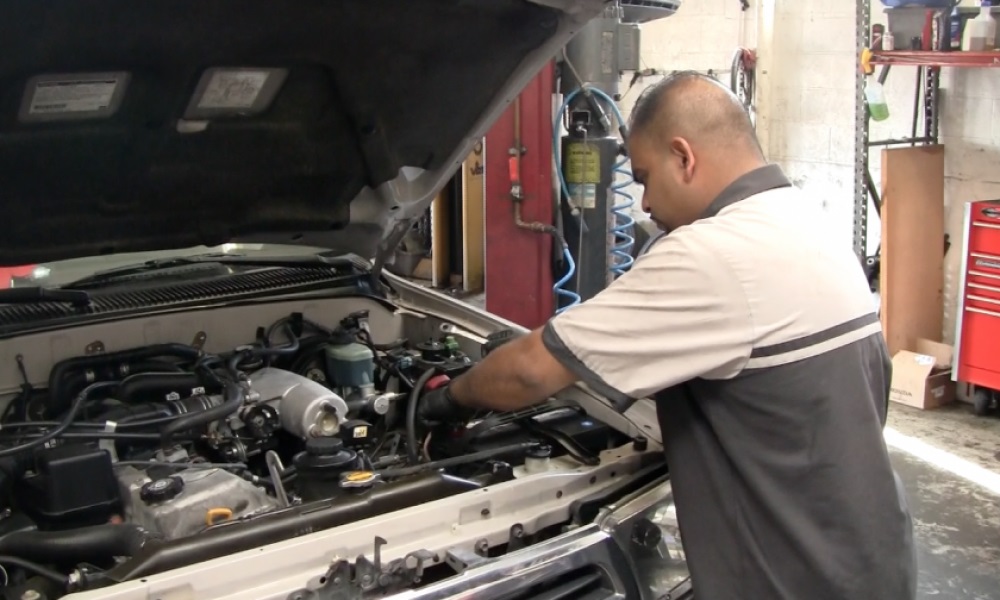
Diagnosing the cause of fast blinking turn signals involves inspecting the bulbs, flasher relay, and wiring. Professional mechanics use diagnostic tools to test the electrical circuit and identify any faulty components. They will check for blown bulbs, verify proper bulb type, and examine wiring connections for corrosion or damage. In modern vehicles equipped with LED turn signals, technicians may install load resistors or specialized modules to correct the blink rate.
Preventive Tips to Avoid Hyper-Flashing
Preventing rapid turn signal blinking starts with regular maintenance. Periodically inspect your turn signal bulbs and replace any that are dim or burnt out. Use the correct bulb type recommended by your vehicle manufacturer to ensure proper operation. Keeping your vehicle’s electrical system clean and corrosion-free helps maintain solid connections. If you upgrade to LED turn signals, consult a professional about adding the necessary resistors or modules. Routine checks and timely repairs will keep your turn signals blinking at the right pace, improving your safety and driving experience.
Conclusion
Rapidly blinking turn signals are more than a mere nuisance—they are a clear signal from your vehicle that something needs attention. By understanding the causes of hyper-flashing and addressing them promptly with professional help, you can ensure your turn signals function correctly, enhancing safety and preventing further electrical issues. Regular maintenance and timely repairs are key to keeping your vehicle’s signaling system in top shape.