

Drivers everywhere agonize over the tiny dashboard light. This blazing indicator suggests a tire pressure monitoring system issue. Flat tires and sensor failures may worry you. Electronic components ensure daily vehicle safety in modern automobiles. Understanding diagnostics helps preserve vehicle health. A professional inspection keeps your tires in top shape. Knowing the steps will prepare you for your service visit.
The Initial Visual Inspection Process
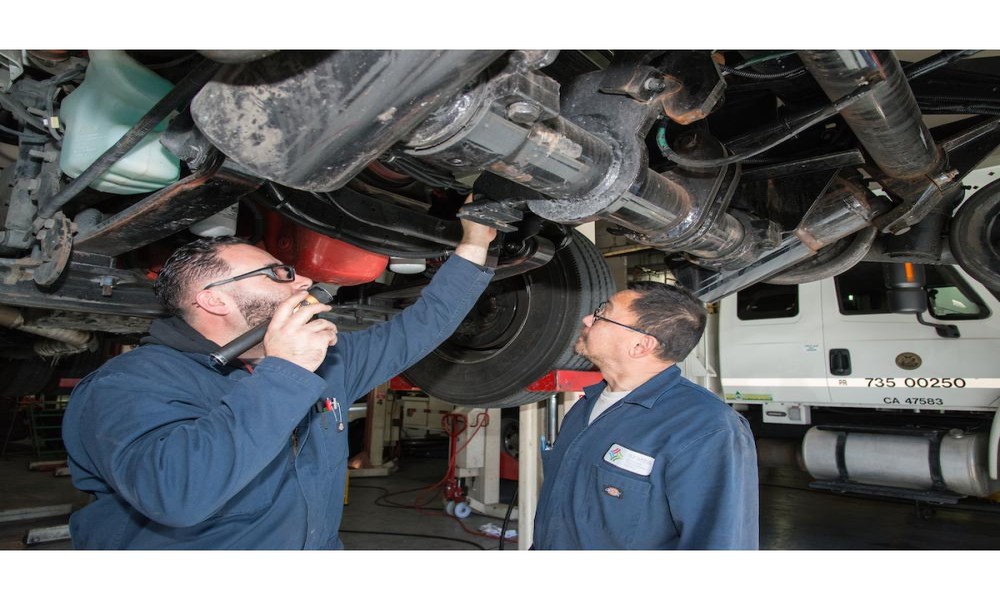
The technician starts by checking the physical condition of every tire. They look for obvious punctures or visible damage to the rubber. The team at Stringer Auto Repair assesses the external sensor housing. They ensure the seal remains airtight against the metal wheel rim. Proper inflation levels are confirmed using a high-quality manual gauge. This physical check provides a baseline for the deeper electronic testing.
Electronic Signal Testing Procedures
Specialized handheld tools communicate directly with the sensors inside your wheels. The technician triggers each sensor to check for a valid signal. This device reads the internal battery life of the equipment. Most sensors last between five and ten years before failing. If a battery dies, the sensor cannot transmit data anymore. The professional verifies that the frequency matches your vehicle specifications. But sometimes a sensor stops responding due to internal electronic failure. The Stringer Auto Repair uses advanced scanners to find the dead unit.
Analyzing the Control Module Data
The technician connects a scanner to the computer port under your dash. This tool reads the error codes stored within the vehicle memory. These codes tell a specific story about the system malfunction. Some errors point to a single failed sensor in a wheel. Other codes suggest a problem with the main receiver module. The data reveals if the system experienced a recent power surge. Now, the experts at Stringer Auto Repair interpret these complex digital signals. They compare the live wheel data with the stored historical records.
Comparing Manual and Digital Readings
The service team compares the manual pressure with the sensor data. They inflate the tires to the exact manufacturer recommended levels. The Auto Repair in Reynoldsburg, OH ensures every reading stays perfectly within range. This comparison identifies sensors that provide false or drifting information. Accuracy prevents unnecessary alerts and keeps your driving experience very smooth.
Conclusion
The diagnostic concludes with a full system reset to clear codes. The technician performs a brief test drive to activate the sensors. Most systems require movement to transmit updated pressure data to you. The dashboard light should remain off during this entire driving trial. If the light returns, the team investigates deeper wiring issues immediately. You receive a detailed report about the health of every sensor. This document lists the battery status and pressure accuracy for records. The final check ensures your vehicle meets all safety standards today.
What to Expect During a Car TPMS Sensor Diagnostic