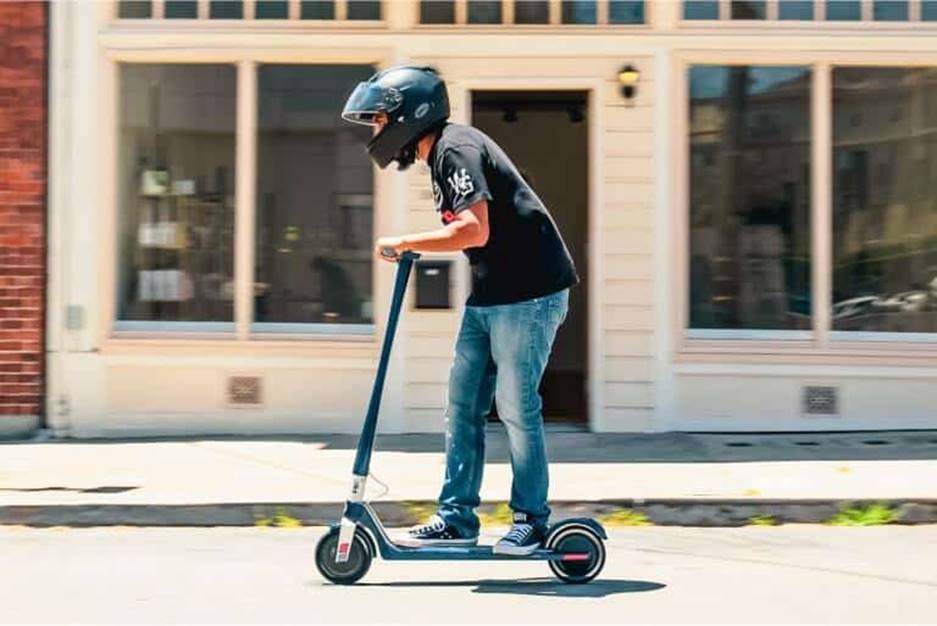

Forget the simple kick scooters often seen gliding down city streets. A high-performance electric scooter belongs to a different category altogether. The best electric scooters with suspension are designed for riders who seek top-tier power, thrilling speeds, and the ability to handle terrain that would easily challenge standard models.
But what exactly defines a scooter as “high-performance”? It goes beyond marketing language. These scooters are engineered with advanced components to meet demanding expectations, whether that means climbing steep inclines, achieving impressive speeds on open roads, or supporting heavier riders with ease.
This guide explores the core technology, performance standards, and essential safety features of high-performance scooters. By understanding these aspects, you’ll know what to prioritize when selecting a model, ensuring you choose a machine that delivers the excitement and reliability you’re looking for.
The Core Technology: Unlocking Real Power
The power of a scooter comes from the combination of its key components working in harmony. It’s never just one element; it’s about the integration of motor, battery, controller, and voltage system.
Motor Wattage (The Muscle)
Motor wattage is the most straightforward measure of a scooter’s strength. Two figures are often provided: Nominal Wattage (the consistent output) and Peak Wattage (the temporary maximum output).
- Commuter scooters typically feature motors with 350W to 500W nominal output.
- High-performance scooters start at 1000W nominal, with peak power reaching 2000W, 4000W, or even 8000W+. Higher wattage means superior acceleration, faster top speeds, and effortless hill-climbing ability.
Voltage (The Fuel Line)
Voltage can be compared to the pressure that drives energy from the battery to the motor. Higher voltage is essential for high speed and efficiency. Studies on electric vehicles confirm that higher-voltage systems improve efficiency while minimizing power loss.
- Commuter scooters generally use 36V or 48V systems.
- High-performance scooters operate at 60V, 72V, or even 84V. For example, a 72V system allows the motor to deliver greater power for acceleration and top speed without excessive heat generation.
The Controller (The Brain)
The controller regulates the flow of power between the battery and the motor, dictating acceleration and performance. A low-quality, low-amp controller can limit even the strongest motor. Advanced scooters use controllers capable of managing high current, unlocking the motor’s full potential for a powerful and smooth ride.
The Battery (The Reservoir)
Battery capacity, measured in amp-hours (Ah) and watt-hours (Wh), determines how much energy a scooter can store and use. A high-performance motor requires more energy, making a large-capacity battery indispensable. For long-distance and high-power riding, batteries with 25Ah or more are recommended to provide both range and performance.
Performance Metrics: What You Experience on the Road
When the motor, controller, voltage system, and battery are properly matched, the result is a scooter that delivers remarkable performance across several key metrics.
Top Speed: High-performance scooters can exceed 40 mph (65 km/h), with some models capable of reaching 60 mph (100 km/h) or beyond. This is more than just speed—it allows riders to travel with traffic flow and enjoy exhilarating open-road rides.
Acceleration: Thanks to strong motors and efficient voltage systems, acceleration is rapid and responsive. The difference between a standard 500W motor and a dual 2000W setup is dramatic, offering near-instant torque and power.
Hill-Climbing Ability: High-performance scooters excel in climbing steep inclines. While basic scooters falter on 15-degree slopes, advanced models can conquer 30-degree hills or more with ease.
Weight Capacity: Built with stronger frames and materials, these scooters often support riders up to 250 lbs (113 kg) or higher, making them suitable for those needing both strength and durability without compromising performance.
Crucial Safety and Functional Features
With higher performance comes the need for superior safety systems. High-speed and high-power scooters must be equipped with features that keep riders safe and comfortable.
Brake System: Effective braking is essential. Hydraulic brakes are preferred in this category, offering greater stopping power and smoother response compared to mechanical disc or drum brakes. For high-performance scooters, this feature is a necessity, not an option.
Suspension System: At high speeds and on uneven terrain, suspension becomes critical. Hydraulic or adjustable spring suspension systems at both the front and rear absorb shocks and improve handling, stability, and comfort.
Steering Damper: At speeds above 40 mph, scooters may experience “speed wobble,” where handlebars shake uncontrollably. A steering damper stabilizes the handlebars by adding resistance, reducing wobble and enhancing control.
Tires: Tires are the only point of contact with the road. Pneumatic tires are standard on high-performance scooters, offering better shock absorption. For off-road riding, wider and knobby tires provide superior traction on loose or uneven ground.
The Buyer’s Guide: Selecting Your High-Performance Scooter
Choosing the right model requires aligning the scooter’s features with your intended use.
Define Your Purpose: Do you need a scooter for long-distance commuting over steep terrain, for the thrill of top speeds, or for rugged off-road adventures? Your purpose will determine the most important specifications.
Set a Realistic Budget: High-performance scooters are an investment, typically ranging from $1,500 to over $4,000. The cost reflects premium components, advanced technology, and enhanced safety systems.
Consider Portability: These scooters are heavy, often exceeding 80 lbs (36 kg). While many fold for easier transport, they are still less portable than commuter scooters. Consider where and how you’ll store or carry it.
Research Reliability: High-performance scooters are complex machines. Choosing one backed by solid customer support, available replacement parts, and a reliable warranty ensures peace of mind and long-term satisfaction.
High-Performance vs. Standard Scooters: Should You Upgrade?
Deciding whether to upgrade depends on your riding goals. The global electric scooter market is rapidly expanding, with growing demand for high-performance models—suggesting this upgrade is increasingly worthwhile.
For Casual Commuters: If your rides are short, on flat terrain, and at moderate speeds, a standard scooter may be all you need.
For Performance-Oriented Riders: If you crave speed, need to conquer steep hills, or enjoy long-distance riding, the difference in power, build quality, and safety features makes the upgrade well worth it. The ride feels smoother, stronger, and more capable in every way.
Conclusion: The Power and the Experience
High-performance electric scooters represent the peak of modern personal mobility. They are not simple gadgets but advanced vehicles that offer unmatched speed, durability, and excitement. By understanding their core technology, performance metrics, and essential features, you can make an informed choice that matches your needs.
If you’re looking for the next level of riding experience, a high-performance scooter delivers both power and thrill. With the right choice, every journey becomes not just transportation but an adventure in itself.