
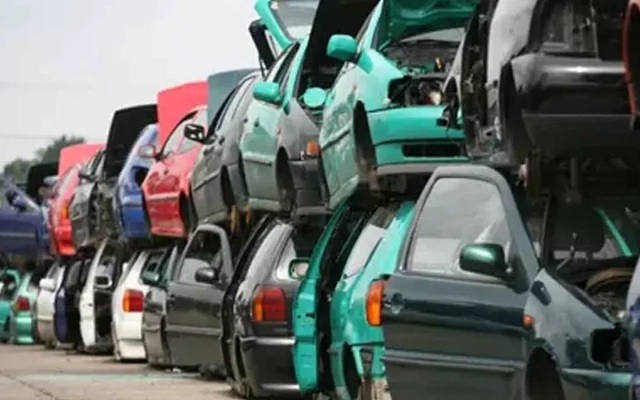

When exploring the industrial landscape of Singapore, understanding the role of a scrapyard Singapore operation becomes essential for anyone dealing with metal waste, construction debris, or seeking sustainable recycling solutions. These facilities represent more than mere collection points; they serve as crucial nodes in Singapore’s circular economy, transforming discarded materials into valuable resources whilst supporting the nation’s environmental sustainability goals.
The Economic Engine of Singapore’s Metal Recycling Industry
Singapore’s strategic position as a global trading hub extends naturally into the scrap metal sector. The island nation’s metal recycling facilities process thousands of tonnes of ferrous and non-ferrous materials annually, contributing significantly to both local and regional supply chains. This industry supports Singapore’s manufacturing sector whilst reducing dependency on virgin metal imports.
The economic impact extends beyond simple waste processing. These operations create employment opportunities across multiple skill levels, from manual sorting and processing roles to technical positions managing sophisticated separation equipment. The revenue generated through metal recovery helps offset waste management costs for businesses and contributes to Singapore’s resource security strategy.
Understanding Singapore Scrapyard Operations
Modern Singapore scrapyard facilities employ advanced technologies to maximise recovery rates and ensure environmental compliance. These operations typically feature:
• Magnetic separation systems for ferrous metal extraction
• Eddy current separators for aluminium and copper recovery
• Optical sorting technology for precise material identification
• Hydraulic shears and balers for efficient processing
• Weighbridge systems for accurate transaction recording
The sophistication of these facilities reflects Singapore’s commitment to technological advancement in waste management. Environmental monitoring systems ensure compliance with strict regulations governing air quality, noise levels, and water discharge.
Types of Materials Accepted at Scrapyards in Singapore
Singapore’s metal recycling facilities accept diverse material categories, each commanding different market values. Ferrous metals, including steel and iron, typically constitute the bulk of processed materials due to construction and manufacturing activities across the island.
Non-ferrous metals command premium prices, particularly copper wiring from electrical installations, aluminium from construction projects, and brass fittings from plumbing systems. Precious metals recovered from electronic waste represent a growing segment, driven by Singapore’s position as a regional technology hub.
“The metal recycling industry in Singapore processes over 1.2 million tonnes of scrap annually, contributing approximately S$2.5 billion to the economy,” according to recent industry analyses.
Environmental Benefits and Sustainability Impact
The environmental advantages of Singapore’s metal recycling operations extend far beyond waste diversion. Metal recycling requires significantly less energy than primary production from ore, reducing carbon emissions and preserving natural resources. Aluminium recycling, for instance, uses 95% less energy than producing aluminium from bauxite ore.
These facilities support Singapore’s Zero Waste vision by:
• Reducing landfill burden through material recovery
• Decreasing greenhouse gas emissions from primary metal production
• Conserving natural resources through material reuse
• Supporting circular economy principles in manufacturing
Water conservation represents another critical benefit, as metal recycling requires substantially less water than mining and primary production processes.
Navigating Pricing and Market Dynamics
Metal prices in Singapore’s scrap market fluctuate based on global commodity exchanges, local supply and demand dynamics, and material quality specifications. Copper consistently commands premium prices due to its conductivity properties and construction applications, whilst steel prices remain more stable but lower per kilogram.
Quality standards significantly impact pricing structures. Clean, sorted materials fetch higher rates than mixed or contaminated loads. Professional scrapyards provide transparent pricing based on current market rates, material purity, and processing requirements.
Regulatory Framework and Compliance Standards
Singapore’s regulatory environment governing metal recycling emphasises environmental protection and public safety. The National Environment Agency oversees licensing requirements, ensuring facilities maintain appropriate standards for noise control, air quality management, and waste handling procedures.
Compliance requirements include:
• Environmental monitoring systems for emissions tracking
• Proper documentation for material origins and destinations
• Safety protocols for handling hazardous materials
• Regular inspections to maintain operational standards
These regulations ensure that Singapore’s scrapyard operations contribute positively to environmental goals whilst maintaining community health and safety standards.
Future Trends and Industry Evolution
The metal recycling sector in Singapore continues evolving through technological advancement and policy development. Artificial intelligence applications in material sorting, blockchain systems for supply chain transparency, and automated processing equipment represent emerging trends reshaping operations.
Government initiatives promoting circular economy principles will likely expand opportunities for metal recovery and reuse. Integration with broader waste management systems and enhanced collection networks may increase material flows to recycling facilities.
Maximising Value from Metal Recycling Services
Businesses and individuals seeking to optimise returns from metal recycling should consider material preparation, timing, and facility selection. Separating different metal types, removing non-metallic attachments, and understanding market cycles can significantly impact transaction values.
Professional consultation from experienced operators helps identify valuable materials that might otherwise be overlooked. Many facilities offer collection services for large quantities, providing convenience whilst ensuring proper handling and processing.
The metal recycling industry represents a vital component of Singapore’s sustainable development strategy, transforming waste streams into valuable resources whilst supporting economic growth and environmental protection. Whether for large construction projects or individual household needs, understanding how to effectively utilise a scrapyard Singapore facility ensures optimal outcomes for all stakeholders involved.