
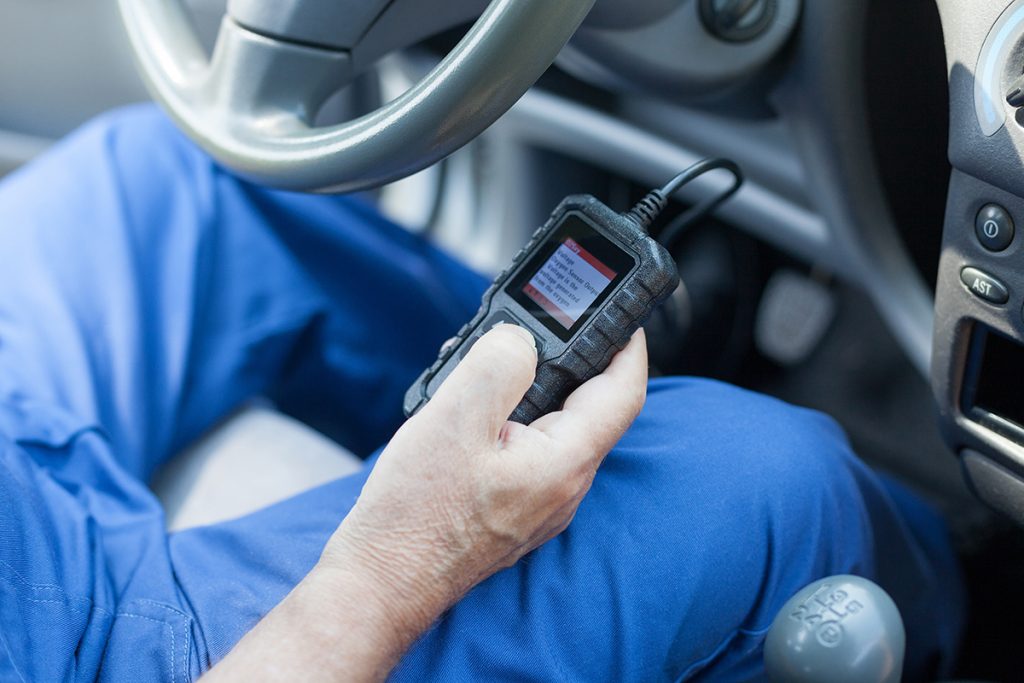

Modern Hyundai cars rely on dozens of sensors to guarantee proper generator performance, fuel influence, emissions control, and safety. When even an individual sensor fails, it can confuse the complete appliance management order unevenly. Drivers frequently notice symptoms like abusive idling, changeableness, stalling, or a persistent check engine light—but without an appropriate diagnosis, it’s troublesome to determine that the sensor is the real culprit.
This guide breaks down the ultimate average Hyundai sensor deficiencies, how all influences your car, and wonderful repair options to keep your Hyundai running flawlessly.
Why Hyundai Sensor Issues Are Growing More Common
As Hyundai switched toward smarter engine control systems—especially accompanying GDI (Gasoline Direct Injection) technology—vehicles became more sensitive to bad airflow data, wrong throttle readings, or erroneous manifold pressure principles. Many failures take place due to:
- Heat and quivering
- Electrical connector disintegration
- Carbon buildup
- Poor fuel quality
- Wear over opportunity
- Software inconsistencies
Understanding that sensors fail usually helps owners spot questions early and avoid high-priced Auto Repair in Sunrise, FL.
MAP Sensor Failure (Manifold Absolute Pressure)
1. What It Does:
The MAP sensor measures air pressure inside the consumption manifold. The tool computer uses this data to calculate how much fuel to introduce.
2. Why It Fails in Hyundai Models:
- Oil vapors from the PCV system clog the sensor
- Heat and carbon buildup inside the abundant
- Damaged wiring or loose connectors
3. Common Symptoms:
- Hard starts
- Black smoke from exhaust
- Poor acceleration
- High fuel devouring
- Check engine codes like P0106 or P0108
4. Repair Options:
- Clean the sensor if contamination is light
- Replace the sensor if readings fluctuate
- Check wiring for disintegration
MAF Sensor Issues
1. What It Does:
The MAF sensor measures the capacity of air entering the engine, allowing exact fuel delivery.
2. Why Hyundai MAF Sensors Fail:
- Dust and dirt avoid the air filter
- Oil from aftermarket lubricated filters coating the sensor
- Electrical wear in vehement climates
3. Repair Options:
- Clean the sensor using MAF-safe cleaner
- Replace if the wiring is tense or readings are inaccurate
- Ensure the air permeate box seals properly
A failing MAF sensor frequently leads to long-term catalytic converter damage if the engine runs lean for excessively long. You can also consult with experts like Broward Auto Diagnostics & Repair.
TPS Failure (Throttle Position Sensor)
1. What It Does:
The TPS monitors throttle plate position, telling the ECU accurately how much power the driver wants.
2. Why It Fails:
- Internal wear in the potentiometer
- Moisture interruption
- Electronic failure in “throttle-by-wire” structures
3. Repair Options:
- Relearn throttle party settings
- Replace TPS or full speed body congregation
- Update the ECM software if Hyundai has a patch
Conclusion
Hyundai sensor failures are average but manageable if taken early. Contact a trusted shop like Broward Auto Diagnostics & Repair now for any kind of issue.