
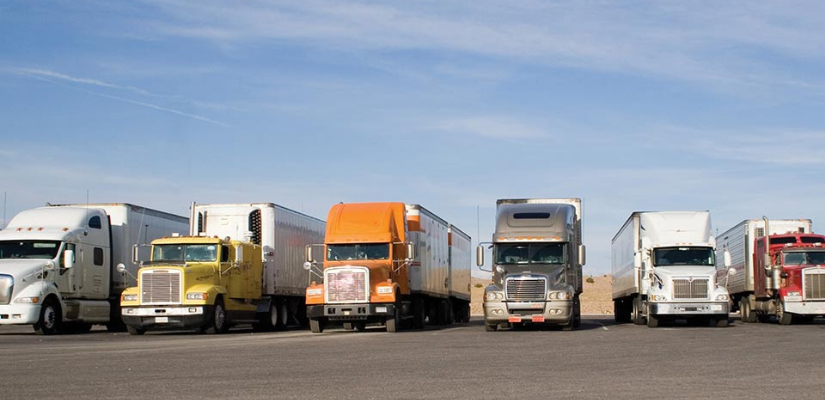

Commercial motor vehicles (CMVs) – including large trucks and buses – play a critical role in the U.S. economy, transporting goods and passengers across millions of miles each year. But with their size, weight, and road presence comes an increased risk of serious accidents.
Understanding the latest commercial motor vehicle safety data – and how technology is improving safety outcomes – can help drivers, fleet operators, and the public better navigate today’s roadways.
What Is a Commercial Motor Vehicle (CMV)?
A commercial motor vehicle generally refers to large trucks, buses, and other vehicles used for business purposes in interstate commerce. These vehicles are subject to strict federal regulations due to their potential safety risks and impact in crashes.
The Federal Motor Carrier Safety Administration (FMCSA) tracks CMV-related crashes, injuries, and fatalities annually to help guide safety policies and improvements.
Key CMV Traffic Safety Statistics (2018 Data)
According to FMCSA’s 2018 safety data and fact sheets, CMV crashes continue to be a significant roadway safety concern.
Fatal Crash Data
- 5,096 large trucks and buses were involved in fatal crashes in 2018
- Fatal crash involvement increased 1% from 2017
- Since 2009, fatal crashes involving large trucks increased by approximately 45%
- There were 13.5 fatal crashes per million people in 2018
Injury & Property Damage Crashes
- Around 121,000 injury crashes involving large trucks and buses occurred in 2018
- Property-damage-only crashes reached approximately 414,000 incidents
Who Is Most Affected?
- 82% of fatalities in large truck crashes were occupants of other vehicles – not the truck itself
- Most fatal crashes involved two vehicles (62%)
Where and When Do CMV Crashes Occur?
FMCSA data highlights patterns in where and when CMV crashes are most likely to happen:
- 57% of fatal crashes occur in rural areas
- 26% occur on interstate highways
- 36% happen at night (6 PM-6 AM)
- 83% occur on weekdays
These patterns suggest that long-haul travel, rural infrastructure, and nighttime driving conditions all play a role in CMV crash risk.
Common Causes & Contributing Factors
While every crash is unique, research shows several recurring contributing factors:
- Driver distraction: A study found 71% of large-truck crashes involved some form of distraction
- Human error: Unsafe actions by other drivers are a major factor in truck-related crashes
- Speed and roadway conditions: High speeds, rural roads, and interstates increase severity
- Vehicle dynamics: Large trucks require longer stopping distances and have larger blind spots
The Role of Safety Technology in CMV Crash Prevention
While the statistics highlight risks, modern safety technologies are helping reduce crashes and improve outcomes across the trucking industry.
Advanced Driver Assistance Systems (ADAS)
Many fleets are adopting systems that help prevent collisions, including:
- Automatic Emergency Braking (AEB): Detects imminent collisions and applies brakes
- Forward Collision Warning (FCW): Alerts drivers to potential front-end crashes
- Lane Departure Warning (LDW): Helps prevent unintended lane drift
These technologies are particularly effective in reducing rear-end collisions – one of the most common types of CMV crashes.
Driver Monitoring & Fatigue Detection
Driver fatigue and distraction are major contributors to crashes. New systems can:
- Monitor driver eye movement and alertness
- Detect drowsiness or distraction in real time
- Provide alerts or corrective interventions
This directly addresses one of the leading crash causes: inattention behind the wheel.
Telematics & Fleet Management Systems
Fleet-wide safety improvements are also being driven by data:
- GPS tracking and telematics monitor driver behavior (speeding, harsh braking)
- Real-time alerts help managers intervene before risky behavior leads to crashes
- Performance analytics improve training and accountability
Camera Systems & Blind Spot Detection
Large trucks have significant blind spots. Technology helps mitigate this risk:
- 360-degree camera systems improve visibility
- Blind spot detection sensors alert drivers to nearby vehicles
- Dash cams provide insights into crash causes and driver behavior
Why CMV Safety Matters
CMV crashes often result in more severe injuries and fatalities due to the size and weight of commercial vehicles. Even though truck drivers are highly trained professionals, the data shows that:
- Most fatalities occur in passenger vehicles, not trucks
- Many crashes are preventable with better awareness and technology
- Continued investment in safety systems and infrastructure is essential
Commercial motor vehicle safety remains a critical issue on U.S. roadways. While 2018 data shows concerning trends – such as rising fatal crash involvement – it also highlights opportunities for improvement.
With the continued adoption of advanced safety technologies, stronger regulations, and increased driver awareness, the industry is moving toward safer roads for everyone.
For drivers, fleet operators, and policymakers alike, the goal is clear: reduce risk, prevent crashes, and save lives.