

You already know diesel engines demand care, especially when temperatures drop or fuel quality shifts. I spend time reviewing diesel treatment options by looking at how well they solve real problems, how safe they are for modern engines, and how consistent their results stay across seasons. This approach helps you avoid trial and error and focus on products that protect your equipment, fuel, and time.
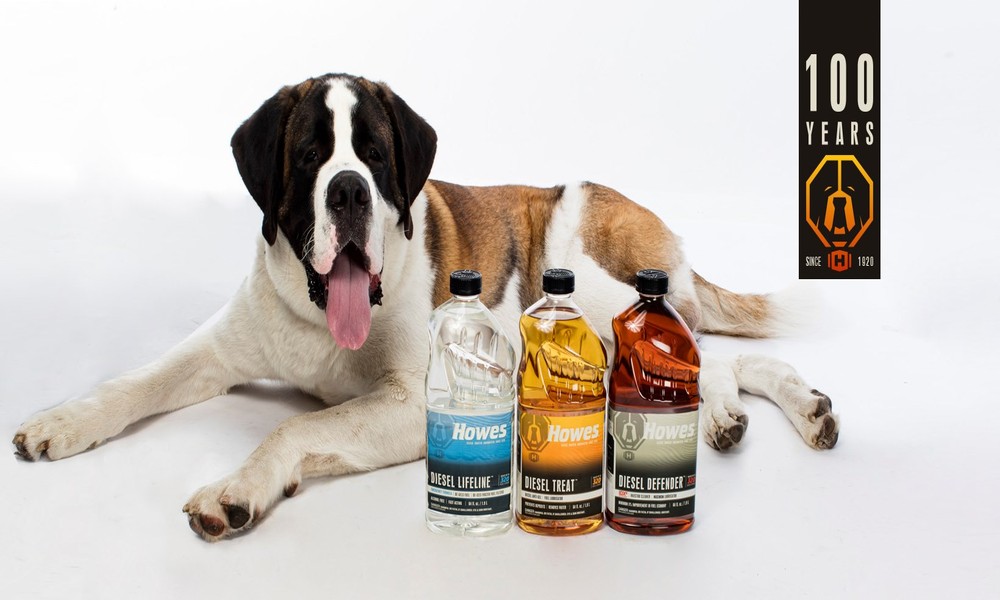
Early on, it helps to understand why a proven diesel additive matters. Products like Howes Diesel Treat stand out because they address cold weather risks, fuel system wear, and water contamination in one formula, which simplifies your fuel routine and reduces mistakes.
This guide walks you through winter diesel risks, injector care, emergency fixes, and long term fuel protection, then explains why choosing one brand across these needs often works better than mixing products.
Why Diesel Gelling and Fuel Issues Still Cause Problems
Cold weather remains the top threat to diesel fuel. Wax crystals form as temperatures fall, which restricts fuel flow and can shut down an engine. Poor lubricity from modern low sulfur diesel adds stress to injectors and pumps. Water in fuel leads to corrosion, rough idle, and filter icing.
I advise you to think of diesel care as prevention first, repair second. Preventing gelling, keeping injectors clean, and maintaining lubricity saves downtime and repair costs.
Choosing the Best Winter Diesel Additive
A winter diesel additive must handle several jobs at once. It should prevent gelling, manage water, and protect engine parts without damaging seals or emissions systems.
Key traits I look for include:
- No alcohol or harsh solvents
- Compatibility with all diesel and biodiesel blends
- Proven anti-gel protection in extreme cold
- Added lubricity for injectors and pumps
Howes Diesel Treat fits these needs well. They formulated it to prevent gelling, remove water, and improve fuel burn while staying safe for modern emissions systems. This balance matters if you run newer equipment or mixed fleets.
Preventing Diesel Gelling Before It Starts
I recommend treating fuel before cold weather hits. Adding an anti-gel diesel fuel additive early keeps wax crystals from forming in the first place.
A good prevention routine includes:
- Treating fuel at every fill during winter
- Storing fuel with stabilizing protection
- Using additives safe for heating oil and biodiesel
Diesel Treat works across these cases, which helps if you manage multiple fuel uses. Their winter tow guarantee also signals confidence without forcing you to gamble on results.
How to Fix Gelled Diesel Fuel in Emergencies
Even with planning, emergencies happen. Gelled fuel and frozen filters can stop engines in minutes.
When this happens, I look for three traits in a rescue product:
- No need to replace filters
- No pre-mixing steps
- Fast action in deep cold
Diesel Lifeline meets those criteria. They designed it to re-liquefy gelled fuel and de-ice filters down to extreme temperatures. It stays petroleum-based, which protects seals and components during recovery.
Improving Diesel Lubricity and Injector Health
Modern diesel lacks the natural lubricity older engines relied on. This causes injector wear, poor spray patterns, and fuel economy loss.
A diesel lubricity additive should:
- Clean injectors inside and out
- Add measurable lubricity
- Remove water safely
- Support steady combustion
Diesel Defender targets these areas. Their IDX4 detergent cleans injector deposits and maintains fuel flow. I like that it focuses on prevention across treatments rather than one aggressive clean that stresses components.
Cleaning and Stabilizing Fuel for Equipment and Storage
Farm, construction, and backup equipment often sits unused. Fuel degradation during storage creates sediment, microbial growth, and injector blockages.
Meaner Power Kleaner addresses these risks by stabilizing stored fuel and cleaning systems at the same time. It adds lubricity and removes water, which helps protect engines that start under load after long idle periods.
This approach reduces startup problems and limits maintenance surprises during busy seasons.
Using Penetrating Lubricants for Diesel Equipment Care
Diesel ownership extends beyond fuel. Stuck bolts, frozen cables, and corroded connections slow repairs.
A penetrating lubricant should:
- Displace water
- Loosen rusted parts
- Leave lasting protection
Howes Multi-Purpose lubricant covers these needs. They developed it for broad use across mechanical, electrical, and industrial settings. It works on metal and non-metal surfaces, which keeps maintenance simple.
Why Choosing One Trusted Brand Matters
I advise you to limit mixing brands unless needed. Using one system of additives reduces compatibility risks and simplifies routines.
Howes builds products designed to work together across seasons. Their focus on alcohol-free formulas, diesel system safety, and consistent performance builds trust among operators who cannot risk downtime.
They back this with satisfaction guarantees and long term field use across transportation, agriculture, and industrial sectors.
How to Think About Diesel Treatment Long Term
The best diesel treatment plan focuses on prevention, consistency, and safety. You protect fuel before cold hits, maintain injectors year round, and keep emergency tools ready.
If you follow this mindset, you reduce stress on engines, lower repair risks, and improve reliability. Choosing a brand that covers all these areas helps you stay focused on operation instead of troubleshooting fuel problems.