
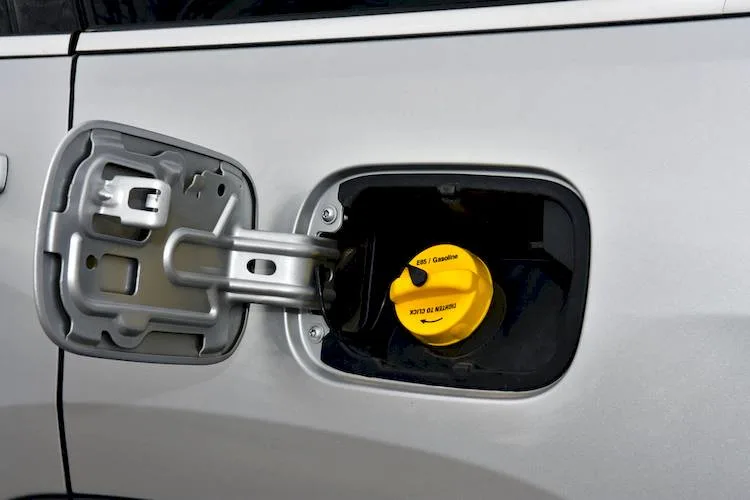

The fuel cap seals the gasoline tank. This seal is highly important. It prevents harmful vapor escape. The EVAP system relies on this cap. A faulty cap triggers system alerts. Emissions increase dramatically over time. Drivers often overlook this component. Cap integrity ensures proper pressure regulation. Ignoring wear causes serious damage. Premature failure costs owners money. Priebe’s Auto Clinic advises drivers today. Regular cap checks save significant repairs. A failing cap impacts vehicle performance. Learn to spot these critical signs now. Protecting your vehicle starts here. Do not wait for major engine problems. A loose cap signals system distress. Proper vigilance saves much hassle.
Physical Signs of Fuel Cap Distress
Inspect the rubber gasket closely. This gasket provides the critical seal. Rubber often becomes very brittle. Look for obvious cracks or cuts. Discoloration indicates chemical exposure. UV light harms plastic materials too. The tether often breaks completely. A broken tether means easy loss. Foreign debris can stick easily. Wipe the cap threads frequently. Missing threads cause sealing failure. A compromised cap invites moisture inside. Moisture contaminates the stored fuel. Check the sealing flange condition. Warping prevents tight closure. Damage here requires immediate action. Replacement restores system function. Do not repair deeply cracked plastic. Buy quality replacement parts only from Auto Repair in Oklahoma City, OK. Avoid cheap aftermarket caps always.
The Click Test and Vapor Leaks
Listen for the proper click sound. The cap must click multiple times. This signals a secure closure. A faulty ratchet cannot hold pressure. The vehicle loses crucial vacuum ability. Sensing fuel odor is a key sign. Strong gasoline smell means dangerous leakage. Vapor escapes into the atmosphere. This leakage is very dangerous indeed. It wastes expensive fuel quickly. The system cannot maintain correct pressure. Low pressure affects engine operation. Do not use excessive force when tightening. Over-tightening damages the plastic threads. Replace the cap if the click stops. Sealing function is absolutely vital always. Test the cap after every refill.
Proactive Maintenance and Quality Replacement
Fuel caps face constant temperature changes. They endure chemical exposure daily. Experts recommend replacement every five years. This preventative action saves money later. Use manufacturer recommended cap specifications. OEM parts guarantee perfect fitment. Generic caps often fail very quickly. Poor venting causes serious tank issues. Always purchase high quality components. Priebe’s Auto Clinic stocks quality replacement caps. Drivers should learn installation techniques. A slight misalignment ruins the seal. Check the cap seal during every oil change. Simple maintenance prevents system faults. Follow factory recommended service advice. Seek assistance from qualified professionals. Priebe’s Auto Clinic offers fast simple replacement service. Ensure your EVAP system runs smoothly.